What is an Indie Game? The 2026 Ultimate Definition & Comparison
Confused by the definition of an indie game? We break down history, the 'Dave the Diver' controversy, and how AI & modern engines are redefining independent dev in 2026.
January 29, 2026
Is a game still "indie" if it has a multi-million dollar budget? What if a solo developer uses AI to do the work of 50 artists?
In 2026, the definition isn't as simple as it used to be. It's no longer just about two people making pixel art in a garage. The lines between "Triple-I" studios, corporate-backed projects, and solo creators are blurrier than ever.
So, what exactly is an indie game? It comes down to one thing: creative sovereignty.
Today, we'll cut through the noise, break down the indie game vs AAA game difference, explore the rise of AI-powered development, and more.
The Definition of an Indie Game in 2026
At its core, an indie game is defined by independence. It's not just a genre; it's a philosophy. While huge studios worry about stock prices, indie developers worry about their vision.
Here are the three pillars that define the category today:
1. Financial Independence
Big publishers like EA or Ubisoft fund AAA games. In exchange, they own the IP and control the deadlines.
Indie developers usually find their own funding options for indie games. This might mean:
- Bootstrapping: Paying for it out of your own pocket.
- Crowdfunding: Raising money directly from fans on Kickstarter.
- Self-Publishing: Releasing the game yourself on Steam Direct or Itch.io without a middleman.
2. Creative Freedom
This is the biggest difference. Because there is no corporate board to please, indies can take massive risks. They can make niche games with distinct art styles (like low-poly or hand-drawn horror) that big companies would never touch.
3. Team Size
Solo developer vs. small-studio indie setups are very different from corporate teams. In a massive studio, everyone is a specialist. In an indie team, everyone is a generalist. You might be the coder, the writer, and the marketing manager holding the community of X or Discord, all at once.
Comparison: Indie vs AAA Game
To understand the industry, you have to look at the workflow. It isn't just about money; it's about how decisions are made.
Comparison Table
Feature | Indie Game (e.g., Hollow Knight) | AAA Game (e.g., Assassin's Creed) |
|---|---|---|
Budget | $0 – $5 Million | $50 Million – $300 Million+ |
Team Size | 1 – 30 people | 300 – 1,000+ people |
Creative Risk | High. Can target a niche market. | Low. Must appeal to the mass market to recoup costs. |
Marketing | Word-of-mouth, streamers, community. | Superbowl ads, billboards, press tours. |
Development Cycle | Agile, iterative, often delayed indefinitely. | Rigid milestones, strict release dates (often leading to "Crunch"). |
Focus | Unique mechanics and "Soul." | Graphical fidelity and scale. |
As a developer, the biggest distinction is agility.
- AAA: Uses "Waterfall" or hybrid methodologies. Changing a core mechanic requires approval from three layers of management.
- Indie: Uses rapid prototyping. If a mechanic isn't fun, a solo dev can scrap it in an afternoon and pivot the entire game direction. This allows for the "lightning in a bottle" innovation seen in games like Vampire Survivors.
Extra tip: There is also a middle ground called "Double-A" (AA). These are mid-tier games with publishers but lower budgets. However, Triple-I is the new term for high-budget indie games that keep their independence but look like AAA titles.
The Gray Area: "Triple-I", "Double-A", and the Dave the Diver Debate
The "Dave the Diver" Controversy
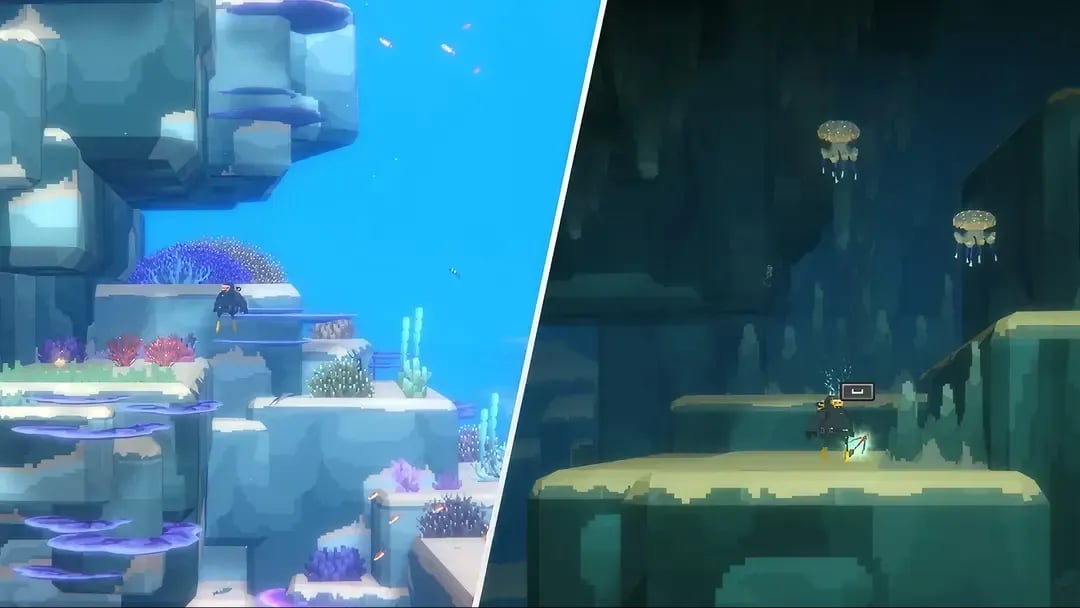
In 2023, Dave the Diver was nominated for "Best Independent Game" at The Game Awards. The problem? The developer, Mintrocket, is a subsidiary of Nexon, a multi-billion-dollar Korean corporation.
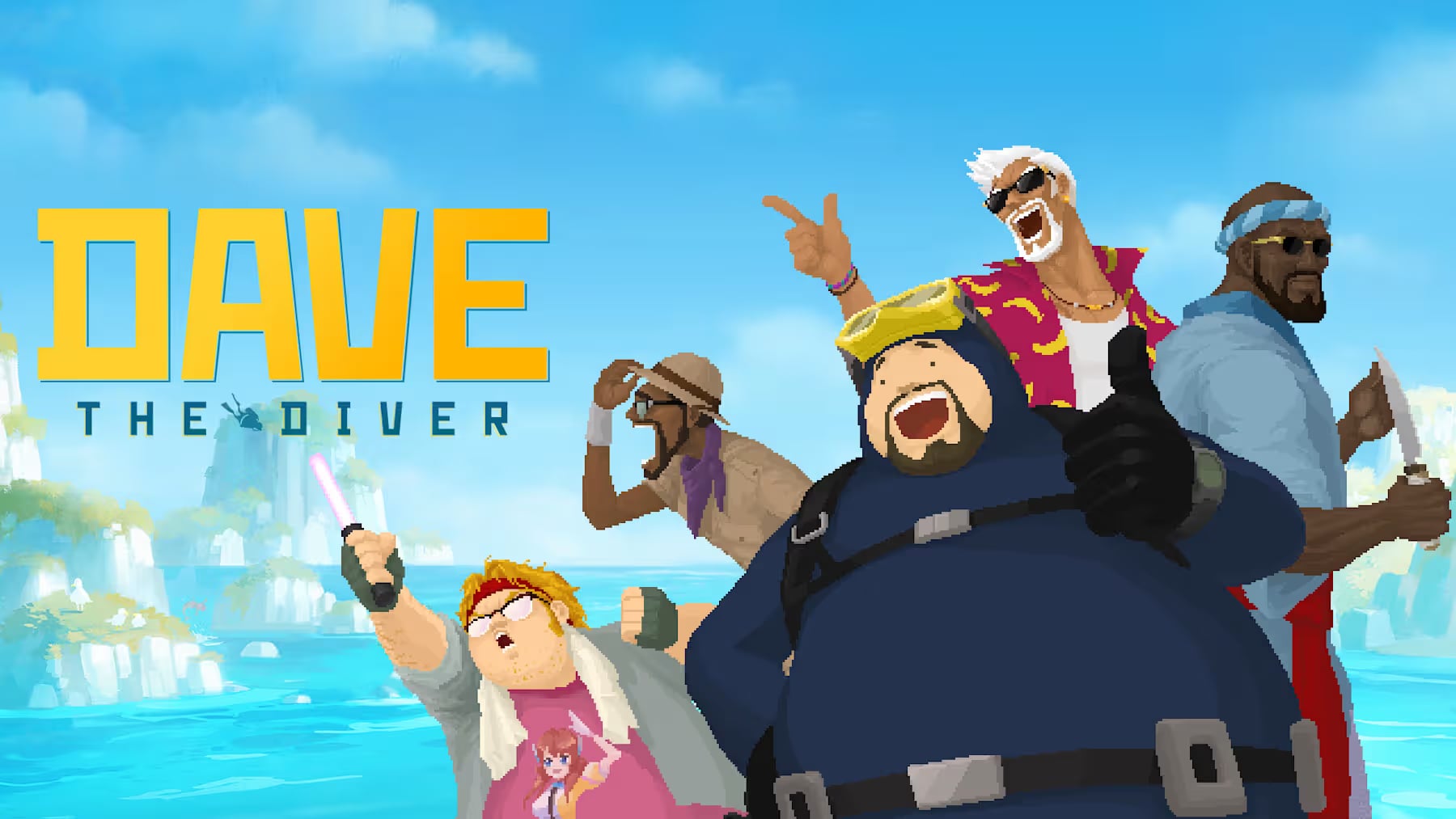
- The Argument Against: It had corporate funding and a safety net. It was not "independent" financially.
- The Argument For: It felt indie. It had pixel art, quirky humor, and a small team allowed to work autonomously within the larger company.
Verdict: Most purists agree that Dave the Diver is not an indie game, but a corporate "boutique" project. However, to the consumer, the distinction is often irrelevant.
What is "Triple-I" (III)?
This term refers to high-budget independent games. These are studios that remain independent (self-publishing) but have budgets and production values rivaling mainstream titles.
- Examples: Baldur's Gate 3 (Larian Studios), Hellblade: Senua's Sacrifice (Ninja Theory, before Microsoft acquisition).
- These games bridge the gap, offering AAA graphics with Indie creative freedom.
How AI Technology is Changing Indie Game Development
If you are looking at starting an indie game studio checklist, you need to know about the tech. In 2026, technology is the great equalizer.
1. The Engine Wars: Unity vs Godot for Indie Developers
Choosing an engine is your first big decision.
- Unity: Still the industry standard for mobile and 3D. Huge asset store.
- Godot: Completely free and open-source. It has become the favorite for 2D games and developers who hate royalty fees.
- Unreal Engine 5: The go-to for Triple-I graphics.
2. The AI Advantage
How AI is changing indie game development is undeniable. Generative AI tools allow small teams to punch above their weight.
- Coding Assistants: AI assistants help solo devs write complex C# or C++ code faster.
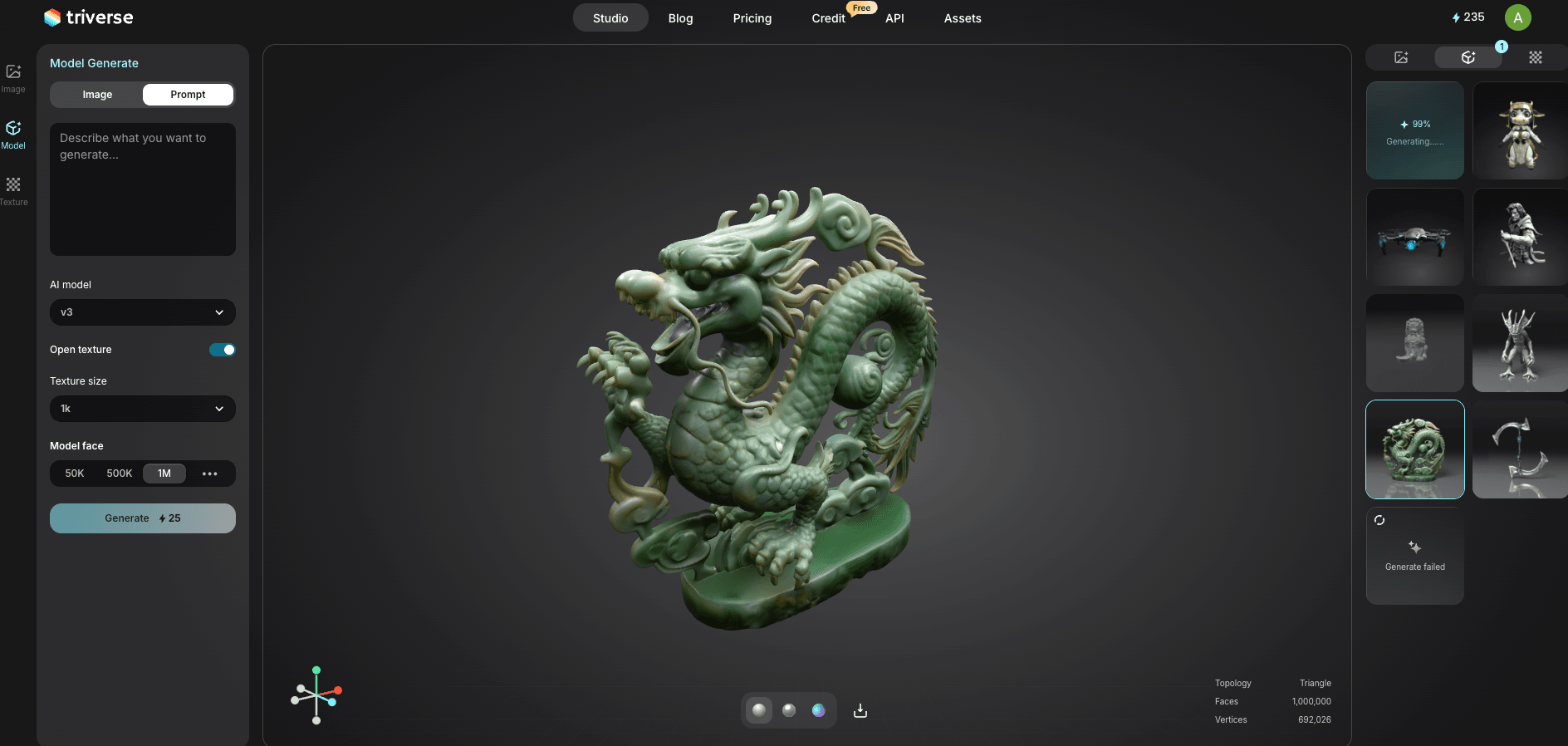
- AI 3D Asset Generation: Some AI 3D model generators like Triverse AI can generate multiple 3D model assets in minutes with AI texturing and PBR as well, from text prompts or an image directly. These tools reduce the "art bottleneck" that kills many indie projects.
- Voice Acting: AI voice synthesis allows indies to prototype narratives or fully voice NPCs without a massive recording budget.
AI Tech allows a team of three to build what used to take a team of thirty.
A Short History of the Indie Revolution
To understand the current market, we must look at the trajectory.
- The Shareware Era (1990s): The original indies. "Bedroom coders" distributed games like Doom (early versions) and Commander Keen via floppy disks and BBS.
- The Flash Portal Era (2000s): Newgrounds and Kongregate allowed creators to make small, free games. This bred the experimental spirit.
- The Indie Boom (2008-2012): Xbox Live Arcade and the launch of Steam Greenlight. Titles like Braid, Super Meat Boy, and Fez proved indies could be commercially critical hits.
- The Modern Gold Rush (2015-Present): Tools became free. The market is flooded. The definition expanded to include "Triple-I" and viral successes like Among Us.
Iconic Examples of Successful Indie Games
If you are looking for examples of successful indie games to analyze, they generally fall into three archetypes:
1. The "Solo Dev" Masterpiece
- Stardew Valley: Created by Eric Barone (ConcernedApe). He did the art, music, code, and writing over 4 years.
- Undertale: Toby Fox created a subversion of RPG tropes that amassed a cult following.
2. The Genre-Definer
- Hollow Knight: Team Cherry (3 people) revived the "Metroidvania" genre with AAA-level polish and tight controls.
- Vampire Survivors: Defined the "bullet heaven" genre with simple graphics but an addictive gameplay loop.
3. The Sandbox Phenomenon
- Minecraft: Started as a Java applet by Markus Persson (Notch). It is the ultimate indie success story, eventually sold to Microsoft for $2.5 billion.
- Terraria: The 2D counterpart that focused on depth and progression.
The Realities: Cost, Burnout, and Marketing
It’s not all dream projects and success stories. The indie game development cost can be high, not just in money, but in mental health.
The Discovery Problem
How to market an indie game without a publisher is the hardest puzzle to solve. With thousands of games releasing on Steam every year, making a good game isn't enough. You need a community.
Overcoming Indie Game Development Burnout
Because indie devs wear so many hats, burnout is common. Successful devs learn to scope their projects down. They focus on a strong "Core Loop" rather than trying to make an open-world epic on their first try.
Conclusion
So, the definition of an Indie Game is a vessel for pure expression. It is a sector of the industry where a horror game about a murderous train (Choo-Choo Charles) can exist alongside a philosophical exploration of death (Spiritfarer).
While the lines between AAA and Indie blur with new technology and funding models, the core spirit remains: Independence. It is the freedom to build the game you want to play, without asking a boardroom for permission.
Are you ready to start your own development journey? Besides, if you want to bring your idea to life, you can try Triverse AI for free to make your own 3D models!
Frequently Asked Questions about Indie Games
Q1: Is Baldur's Gate 3 an indie game?
It is technically independent (self-published by Larian Studios), but the industry calls it Triple-I or Independent AAA. It’s too massive to fit the traditional definition.
Q2: Is Expedition 33 an Indie Game?
This is a perfect example of the modern era. Expedition 33 (Clair Obscur) features graphics that rival Final Fantasy. However, it is published by Kepler Interactive, a group co-owned by the developers. This makes it a Triple-I game. It has the visual power of a blockbuster but the creative heart of an indie.
Q3: How much does it cost to make an indie game?
It varies. A solo dev can start for $0 using free tools like Godot. However, a small studio might need 100k-500k to cover salaries and living expenses for a few years.
Q4: What is the best game engine for indie beginners?
If you want to make a 2D game, try Godot or GameMaker. If you want 3D, start with Unity.
Q5: How do I get an indie game on Steam?
You use a program called Steam Direct. You pay a $100 fee per game, fill out the paperwork, and set up your store page. The hard part isn't getting into the store; it's getting people to find you.